


PHASE 13 years2028
Focus on Learning and Building Trust. Investing in our people and internal systems to build a foundation of institutional integrity, Indigenous awareness, and shared understanding.

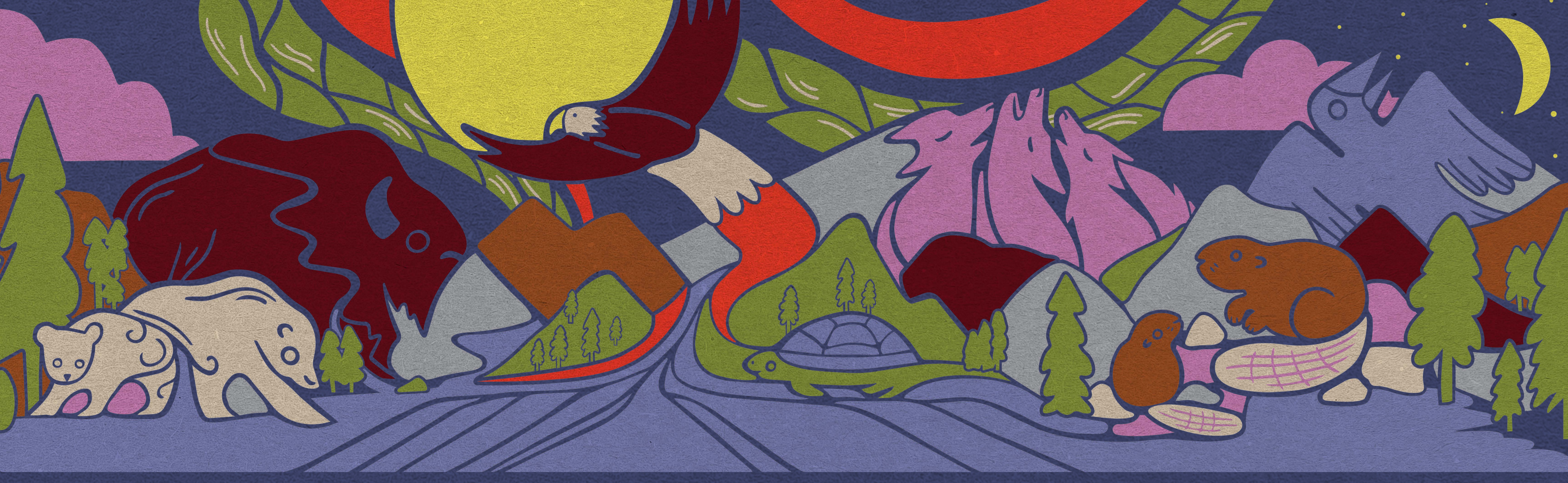


Weaving Reconciliation throughout Banff Centre for Arts and Creativity during this period of investment, transformation, and imagination toward our 100th anniversary and beyond.

Reconciliation lives on the Land, as the Land itself is a living relative and teacher. We acknowledge, with deep respect and gratitude, Banff Centre’s home on the side of Sacred Buffalo Guardian Mountain.
We acknowledge, with deep respect and gratitude, our home on the side of Sacred Buffalo Guardian Mountain. In the spirit of respect and truth, we honour and acknowledge the Banff area, known as “Mînî hrpa” (translated in Stoney Nakoda as “the waterfalls”) and the Treaty 7 territory and oral practices of the Îyârhe Nakoda (Stoney Nakoda) – comprised of the Bearspaw, Chiniki, and Wesley First Nations – as well as the Tsuut’ina First Nation and the Blackfoot Confederacy comprised of the Siksika, Piikani, Kainai. We acknowledge that this territory is home to the Shuswap Nations, Ktunaxa Nations, and Métis Nation of Alberta, Region 3.
We acknowledge all Nations who live, work, and play here, help us steward this land, and honour and celebrate this place.
We are grateful for all those who have contributed to Banff Centre’s Reconciliation journey, including the ancestors who have guided us, the community members and Elders who have walked alongside us, and the staff and leadership who have directed us toward an approach focused first on humility, learning, and discovery. We embrace our responsibility to learn and share the Truth as the appropriate precursor to Reconciliation.
Reconciliation is a continuous, collective, and humbling journey—one that requires us to listen first, reflect deeply, and act with intention.
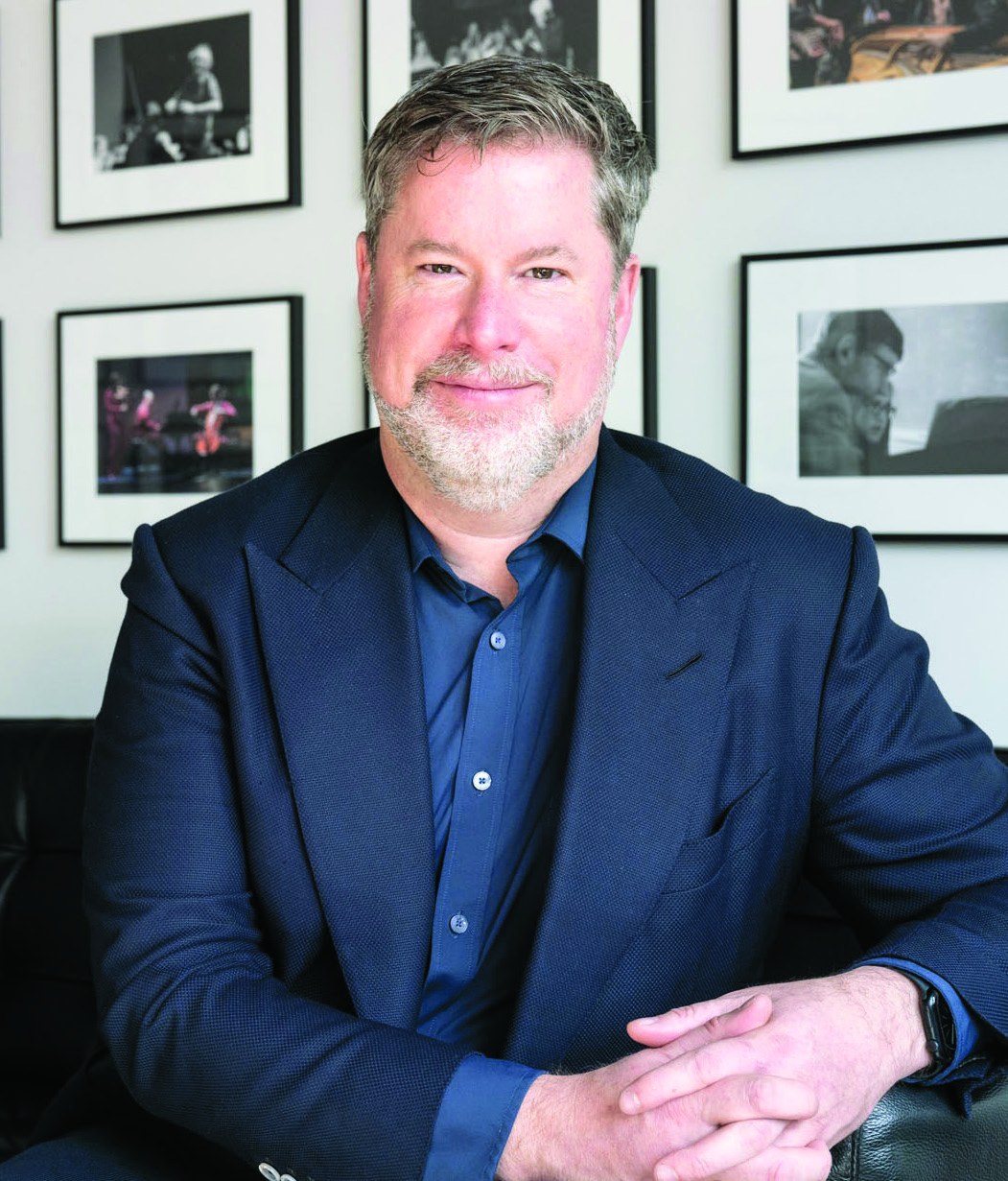
As President and CEO of Banff Centre, I am proud of our ongoing journey towards Reconciliation and grateful for the opportunity to be part of this process with inspiring colleagues, friends, Elders, and spaces on Sacred Buffalo Guardian Mountain.
Over the past year, we have focused on active listening, land-based learning, and building meaningful partnerships. This has grounded our approach to building a framework that’s inextricably connected to the land of Treaty 7 Territory, born of its spirit, teachings, and heart.
The leadership team at Banff Centre recognizes that Reconciliation is not a checklist or a static policy; it is a lifelong practice of accountability and Right Relations.
We remain committed to listening to Indigenous voices, amplifying Indigenous artists and leaders, and ensuring our actions align with the Truth and Reconciliation Commission’s Calls to Action. This is crucial in our ability to remain a leading post-secondary institution in arts, leadership, Indigenous culture, and mountain culture.
Our commitment to Reconciliation is bound to our mission as a provider of training programs for Indigenous artists and leaders, working consistently with Elders, Knowledge Keepers, and Indigenous participants, staff, and colleagues. Deepening these relationships enable us to collaborate, listen, and plan for the future holistically as an organization.
Thank you to the Elders, Knowledge Keepers, and Banff Centre staff who provided a safe and courageous space for these transformative conversations rooted in mutual respect. We are honoured to walk this path together.
Chris Lorway, President and CEO, Banff Centre for Arts and Creativity
In the shadow of Sacred Buffalo Guardian Mountain, Banff Centre recognizes our humble commitment to listen, learn, and evolve as a place of gathering.
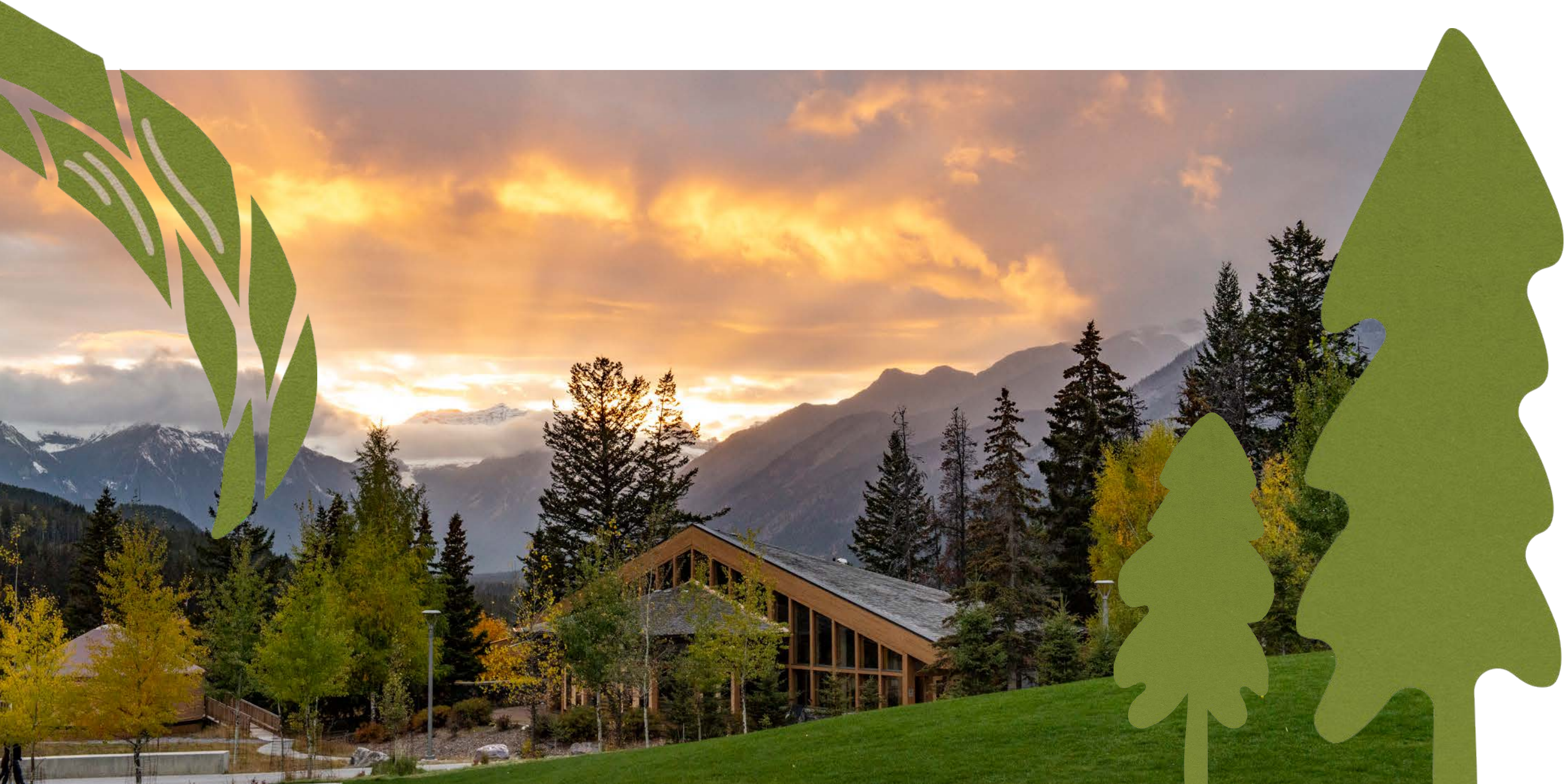
We accept our shared responsibility to walk a path of Truth and Reconciliation, exploring and modeling a transformative approach to arts, leadership, hospitality, and education.
The Braids of Reconciliation Framework was shaped by the following three inputs that create a strong foundation from which our work will grow:
Banff Centre’s Strategic Plan; Core areas of One Banff Centre, Foundations, and Banff Centre Experience
Engagement Feedback from employees across the organization as well as Indigenous faculty and Elders
External Considerations; Truth and Reconciliation Commission’s Calls to Action and the Calls for Justice from the National Inquiry into Missing and Murdered Indigenous Women and Girls

Banff Centre will aim to define the success of its efforts in Truth and Reconciliation through the experience of those Indigenous people with whom Banff Centre is in relationship. Articulating outcomes from an Indigenous perspective ensures that actions are measured by their impact, along with Banff Centre’s Intent.
The following phases describe how Banff Centre intends to focus its work on Truth and Reconciliation over the coming years. These descriptions, along with recommended activities and initiatives, put the Braids of Reconciliation Framework into action and will be refined and validated through ongoing engagement.
Focus on Learning and Building Trust. Investing in our people and internal systems to build a foundation of institutional integrity, Indigenous awareness, and shared understanding.
Focus on Integration and Sharing Responsibility for Reconciliation. Measured growth of initiatives, programs, and operations that authentically reflect Indigenous ways of knowing and respectfully partner with Indigenous leaders.
Focus on Stewardship and Legacy. Celebrating our 100th anniversary with reciprocal kinship and a renewed perspective of our role in Reconciliation that sets the stage for the next 100 years.
Seven core relationship types were identified through employee engagement sessions and external imperatives. As the roadmap is developed, we will engage further with these individuals and groups with whom Banff Centre is in relationship to confirm and validate the following outcomes as reflections of “what success looks like” from their perspectives. These outcomes will then be used to evaluate Banff Centre’s progress in its Reconciliation journey through regular review and reporting.
These three Living Commitments align with the Banff Centre Strategic Plan focus areas and are connected to the Spirit and Intent to listen, learn, and evolve as a place of gathering. They reflect what Banff Centre is working towards and why we think it will make a positive difference.
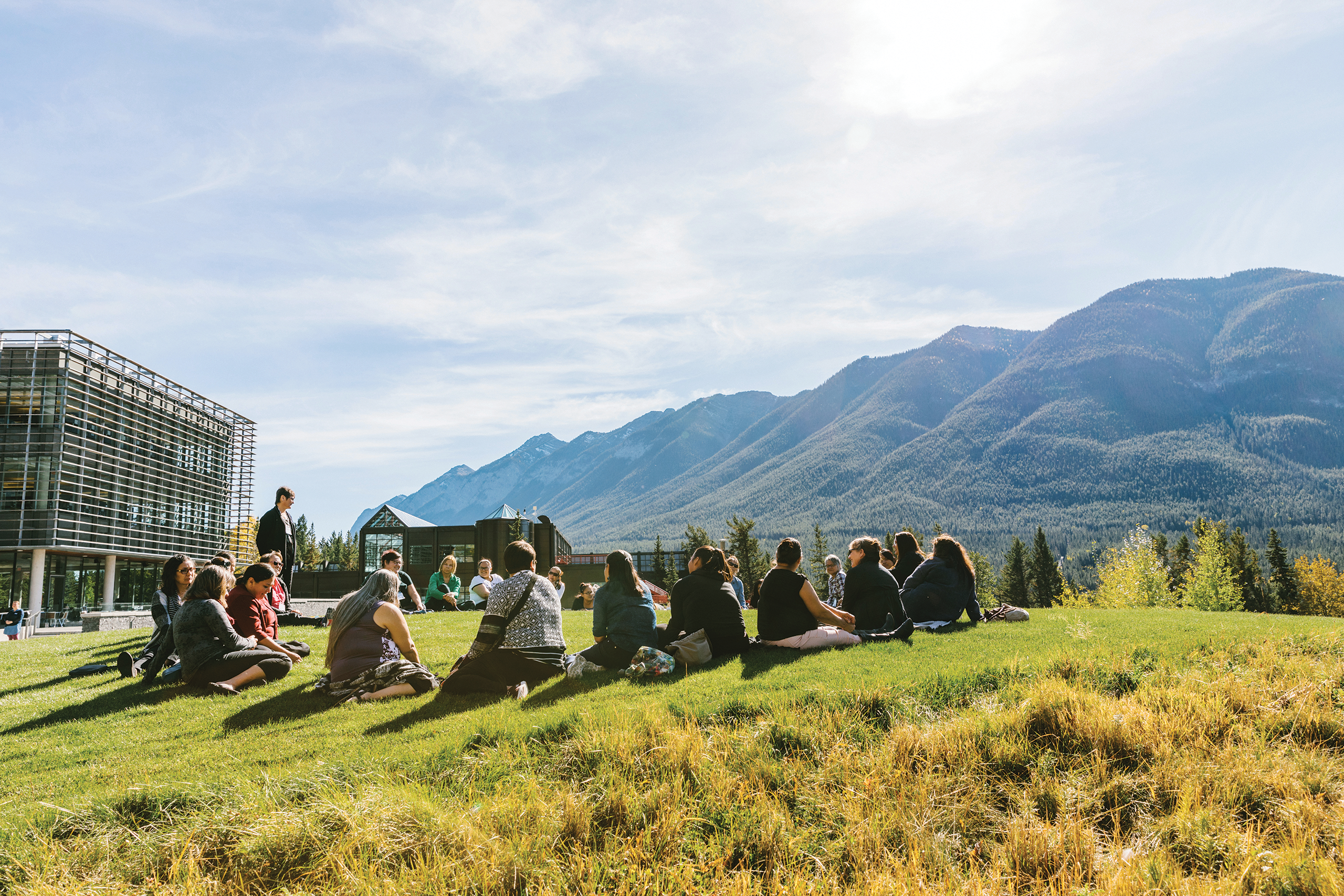
We commit to fostering an institutional culture of humble learning and discovery, where every member of our team is supported in their personal and professional journey of Reconciliation.
We believe that by prioritizing continuous education and professional development, we create a workplace where all staff are empowered to bring their whole selves to deliver on our mission and live out the Right Relations Agreement.
We commit to respectfully weaving Indigenous perspectives and inclusion throughout our systems and infrastructure, driven by the belief that Indigenous ways of knowing bring wisdom and depth to our foundations.
By seeking guidance and appropriately integrating these perspectives, we ensure our physical, financial, and digital environments are strengthened for all those whom we are in relationship with Banff Centre.
We commit to fostering restorative and inspirational connections through land-based learning and cultural experiences that invite deep connection to Place and authentically reflect Indigenous stories and ways of being.
We believe that by honoring Indigenous cultural and creative sovereignty, the Banff Centre Experience becomes a catalyst for transformation, rooted in the spirit of Sacred Buffalo Guardian Mountain.

An agreement that we show up in the right way in relation to one another.
Banff Centre has already articulated its values through an interpretation of the Seven Sacred Teachings, which reflect Indigenous ways of being. Leadership and staff will look to the seven principles of love, respect, humility, courage, wisdom, honesty, and truth to guide their approaches, thinking, and actions related to Truth and Reconciliation.
One of the first recommended roadmap actions is to translate these principles into clear, consistent principles that staff apply in their daily work and interactions. This work can be guided by Elders, with whom Banff Centre is in relationship, and supported by senior leadership, who will help set the tone for what it means to live the Right Relations values.
Approach the conversation, each other, and the community from a place of love and caring.

Be open and listen to each other as we explore conversations that are greater than all of us as individuals. Contribute to a respectful environment at all times.
Acknowledge that not everyone comes into a space with the same content and life experience. In engaging with colleagues, use your best judgement and approach each interaction with kindness.

Acknowledge that not all conversations are easy and the importance of open discourse— it is okay to make mistakes.

Be open to learning, listening to each other, and making an active contribution. Our thoughts help to build collective wisdom and we collectively grow from experience.

Take the time to reflect on individual experiences together and honour silence as people consider the questions asked.
Approach with an open mind what lies beneath the surface—speak your truth with an open heart.

Ensuring that the Braids of Reconciliation Framework becomes part of Banff Centre’s ongoing life and work is a deep responsibility. While strategic plans and individual leaders may change, the responsibility to evolve as a place of gathering that appropriately embraces Indigenous perspectives must continue for the next hundred years and beyond. A key component of the roadmap will be identifying realistic and effective accountability structures that embed the Spirit and Intent beyond this moment in time.

The sponsor, or primary holder of this sacred responsibility, is the President & CEO. Stewardship of the framework sits with the Talent Management & Culture team, led by the Vice President and the Director, Access, Inclusion & Indigenous Relations. As responsibilities for specific roadmap components are defined, it will be important to clearly articulate and communicate what it means to hold this sacred responsibility, including how it will be transferred in a Good Way if individuals or roles change.

The roadmap will define what accountability means in this work. Banff Centre will seek input from those with whom it is in relationship to refine and validate the proposed outcomes and better understand what “good” looks like from Indigenous perspectives. Banff Centre will also seek Indigenous guidance on how it can be held accountable for its actions and continue walking a shared path of Truth and Reconciliation.
Blackfoot - I am grateful
Shuswap - Thank you to a group
Stoney Nakoda - Thank you
Ktunaxa - Phrase used to express gratitude translates to “I am glad” or “I am happy”
Tsuut’ina - Thank you
Métis - Thank you